

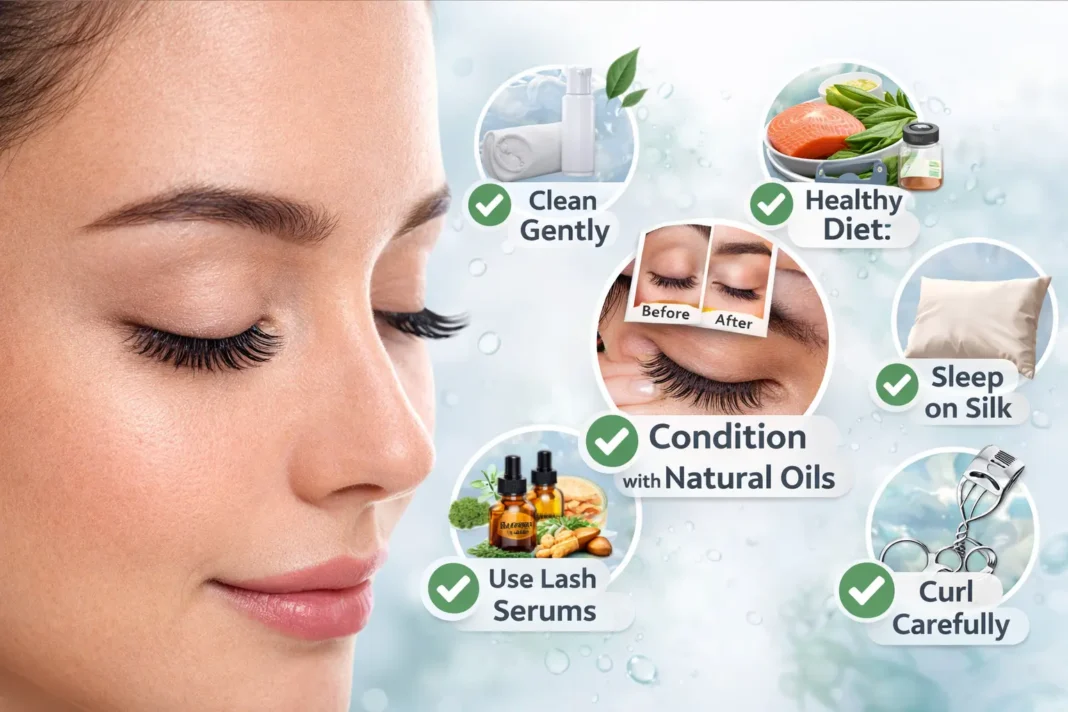
Long, strong, and naturally full eyelashes are trending in 2026—but the focus has shifted from heavy extensions and quick fixes to healthy lash routines that protect and strengthen natural lashes. If you want longer, thicker, and more resilient eyelashes without damage, this evidence-based guide will walk you through proven eyelash care tips that truly work.
This article follows EEAT principles (Experience, Expertise, Authoritativeness, and Trustworthiness) to ensure accurate, safe, and practical advice.
Why a Healthy Lash Routine Matters
Eyelashes are delicate hairs with a natural growth cycle consisting of:
- Anagen (growth phase)
- Catagen (transition phase)
- Telogen (resting/shedding phase)
On average, lashes take 6–8 weeks to grow, and each lash sheds naturally. Damage from makeup, extensions, or harsh removers can disrupt this cycle, leading to thinning and breakage.
A healthy lash routine supports the natural growth cycle while minimizing stress on follicles.
Step 1: Clean Your Lashes Gently (Daily Habit)
One of the biggest mistakes people make is either:
- Not cleaning lashes properly
- Or rubbing too aggressively while removing makeup
Both can cause premature lash fallout.
Best Practices:
- Use a gentle micellar water or mild cleanser.
- Soak a cotton pad and hold it on the eye for 10–15 seconds before wiping.
- Avoid scrubbing motions.
- Pat dry instead of rubbing.
Clean lashes reduce follicle blockage and lower the risk of irritation.
Step 2: Avoid Daily Waterproof Mascara
Waterproof mascara is long-lasting—but it’s harder to remove. Frequent use can cause:
- Excessive tugging
- Lash dryness
- Breakage
- Thinning over time
In 2026, beauty experts recommend:
- Using waterproof formulas only occasionally.
- Choosing nourishing mascaras with conditioning ingredients.
- Replacing mascara every 3 months to prevent contamination.
Step 3: Condition Your Lashes with Natural Oils
Natural oils remain a simple and affordable way to maintain lash strength.
Popular Options:
- Castor oil
- Coconut oil
- Vitamin E oil
- Sweet almond oil
These oils help:
- Improve flexibility
- Reduce brittleness
- Minimize breakage
While oils may not dramatically speed up growth, they improve overall lash quality.
How to apply safely:
- Use a clean spoolie.
- Apply a very thin layer at night.
- Avoid getting oil directly into your eyes.
Consistency is key.
Step 4: Consider Lash Serums with Evidence-Based Ingredients
Modern lash serums focus on strengthening and nourishing rather than just promoting rapid growth.
Look for:
- Peptides
- Biotin
- Panthenol
- Hyaluronic acid
Some advanced serums contain prostaglandin analogs, which may enhance growth but can cause side effects such as eye irritation or pigmentation changes. Always consult a healthcare professional before using prescription-strength formulas.
When choosing a serum:
- Check ingredient transparency.
- Look for dermatologist testing.
- Review real user feedback carefully.
Step 5: Be Careful with Lash Curlers
Lash curlers can create a beautiful lift—but improper use leads to breakage.
Safe Curling Tips:
- Never curl lashes after applying mascara.
- Use gentle pressure.
- Replace rubber pads regularly.
- Avoid pulling while releasing.
Heat curlers should be used cautiously and at low temperatures.
Step 6: Give Your Lashes Breaks from Extensions
Eyelash extensions remain popular, but overuse can weaken natural lashes.
Common issues include:
- Traction alopecia (hair loss from pulling)
- Thinning
- Weak follicles
If you use extensions:
- Take breaks every few months.
- Choose experienced technicians.
- Avoid excessively heavy lash styles.
In 2026, the “natural lash health” trend is replacing overdramatic extension looks.
Step 7: Support Lash Growth from Within
Healthy lashes also depend on internal nutrition.
Important nutrients include:
- Protein (hair is made of keratin)
- Biotin
- Iron
- Vitamin D
- Omega-3 fatty acids
A balanced diet supports the hair growth cycle. However, avoid taking supplements without medical advice, especially high-dose biotin.
Hydration also plays a role in maintaining follicle health.
Step 8: Avoid Habitual Rubbing
Eye rubbing due to allergies, stress, or fatigue is a major cause of lash breakage.
Frequent rubbing can:
- Weaken follicles
- Increase shedding
- Cause irritation
If allergies are the cause, consult a healthcare provider for proper management.
Step 9: Sleep on Silk or Satin Pillowcases
This may seem minor, but friction from rough fabrics can contribute to lash damage over time.
Silk or satin pillowcases:
- Reduce friction
- Prevent lash snagging
- Help preserve lash shape
Small lifestyle changes can make a noticeable difference over months.
Step 10: Be Patient with the Lash Growth Cycle
One of the most important eyelash care tips in 2026 is realistic expectations.
Lashes grow slowly. You may notice:
- Improved strength in 2–3 weeks
- Reduced fallout in 4 weeks
- Visible length improvement in 6–8 weeks
Consistency always beats aggressive treatments.
Common Lash Care Mistakes to Avoid
- Sleeping with makeup on
- Using expired mascara
- Over-layering heavy falsies
- Applying too much serum
- Ignoring irritation
If you experience redness, swelling, or discomfort, discontinue use and seek medical advice.
Signs Your Lash Routine Is Working
You may notice:
- Less shedding while removing makeup
- Softer, more flexible lashes
- Improved natural curl
- Fuller lash line appearance
Healthy lashes don’t happen overnight—but small daily habits create long-term results.
When to See a Professional
Consult a dermatologist or healthcare provider if you notice:
- Sudden lash loss
- Bald patches on the lash line
- Persistent irritation
- Thinning associated with medical conditions
Sometimes lash thinning is linked to hormonal changes, thyroid issues, or stress-related hair shedding.
Final Thoughts
In 2026, the best eyelash trend isn’t extreme length—it’s healthy, strong, natural lashes. A consistent routine that includes gentle cleansing, conditioning, nutritional support, and careful styling can significantly improve lash quality over time.