

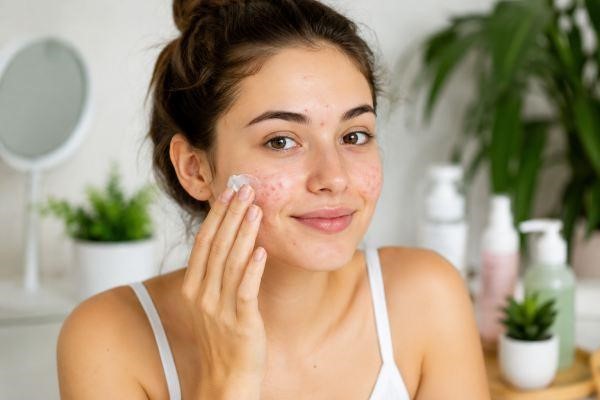
Acne is one of the most common skin conditions worldwide, affecting millions of teenagers and adults. From occasional pimples to persistent breakouts, acne can impact your confidence and leave behind scars if not treated properly. While there is no instant cure, the right skincare routine and healthy habits can significantly reduce acne and help you achieve clearer skin faster.
This guide shares 21 dermatologist-recommended acne removal tips that are safe, effective, and suitable for most skin types. Whether you have oily, combination, or sensitive skin, these expert tips can help you build a skincare routine that supports healthier, blemish-free skin.
What Causes Acne?
Understanding the root cause of acne is the first step toward effective treatment. Acne develops when hair follicles become clogged with excess oil (sebum), dead skin cells, and bacteria. This blockage leads to inflammation, resulting in blackheads, whiteheads, pimples, or cystic acne.
Common causes of acne include:
- Excess oil production
- Hormonal changes during puberty, pregnancy, or menstruation
- Bacteria on the skin
- Genetics
- Stress
- Certain medications
- Heavy or pore-clogging skincare products
Although acne cannot always be prevented, adopting healthy skincare habits can reduce breakouts and improve your skin over time.
21 Expert Tips to Get Rid of Acne Fast
1. Cleanse Your Face Twice Daily
Wash your face every morning and before bedtime with a gentle cleanser. Cleansing removes dirt, oil, sweat, and impurities that can clog pores. Avoid washing too often, as over-cleansing may strip your skin of natural oils and trigger more oil production.
2. Use a Gentle, Non-Comedogenic Cleanser
Choose products labeled non-comedogenic, meaning they are designed not to clog pores. Ingredients like salicylic acid or niacinamide can help reduce excess oil while keeping the skin balanced.
3. Don’t Pick or Pop Pimples
Although it may be tempting, squeezing pimples can push bacteria deeper into the skin, increase inflammation, and lead to permanent acne scars. Instead, allow blemishes to heal naturally or use an acne spot treatment.
4. Apply Salicylic Acid Products
Salicylic acid is a beta-hydroxy acid (BHA) that exfoliates inside pores, helping remove excess oil and dead skin cells. Regular use can reduce blackheads, whiteheads, and mild acne breakouts.
5. Try Benzoyl Peroxide for Active Pimples
Benzoyl peroxide works by killing acne-causing bacteria and reducing inflammation. Lower concentrations, such as 2.5% to 5%, are often effective while minimizing skin irritation.
6. Moisturize Every Day
Many people with acne avoid moisturizer because they fear it will make their skin oilier. In reality, hydrated skin produces less excess oil. Use an oil-free, lightweight moisturizer to maintain your skin barrier.
7. Wear Sunscreen Daily
Sun exposure can worsen acne scars and dark spots. A broad-spectrum sunscreen with SPF 30 or higher protects your skin from UV damage and helps prevent post-inflammatory hyperpigmentation.
8. Avoid Touching Your Face
Your hands come into contact with bacteria, dirt, and oils throughout the day. Touching your face frequently transfers these impurities onto your skin and may contribute to breakouts.
9. Keep Hair Clean and Away from Your Face
Hair products containing oils or silicones can clog pores along the forehead and hairline. Wash your hair regularly and avoid letting greasy hair rest against your face.
10. Change Pillowcases Regularly
Pillowcases collect sweat, oil, dead skin cells, and bacteria. Replacing them every two to three days helps reduce the buildup of acne-causing impurities.
11. Clean Makeup Brushes Weekly
Dirty makeup brushes can harbor bacteria and spread oil across your face. Wash brushes and beauty sponges with mild soap at least once a week.
12. Choose Non-Comedogenic Makeup
Select makeup products labeled oil-free or non-comedogenic to minimize clogged pores. Remove all makeup before sleeping to allow your skin to breathe overnight.
13. Avoid Over-Exfoliating
Exfoliating too frequently can damage the skin barrier and increase redness and irritation. Limit exfoliation to once or twice a week using gentle chemical exfoliants rather than harsh scrubs.
14. Add Niacinamide to Your Routine
Niacinamide is a versatile skincare ingredient that helps regulate oil production, reduce redness, strengthen the skin barrier, and improve uneven skin tone. It is suitable for most skin types.
15. Consider Retinoids
Topical retinoids increase skin cell turnover, helping prevent clogged pores while improving acne scars and skin texture. Introduce retinoids gradually to minimize dryness and irritation.
16. Stay Hydrated
Drinking enough water supports overall skin health and helps maintain a healthy skin barrier. While hydration alone won’t cure acne, it contributes to healthier-looking skin.
17. Eat a Balanced Diet
A nutrient-rich diet supports skin health. Include foods such as:
- Fresh fruits
- Leafy vegetables
- Whole grains
- Lean proteins
- Omega-3-rich fish
- Nuts and seeds
Some individuals may notice improvements by reducing sugary foods and highly processed snacks.
18. Manage Stress Effectively
Stress increases hormones that can stimulate oil production and worsen acne. Regular exercise, meditation, yoga, and adequate sleep can help reduce stress-related breakouts.
19. Get Quality Sleep
Aim for 7–9 hours of sleep every night. During sleep, your body repairs damaged skin cells and regulates hormones that influence inflammation and oil production.
20. Be Patient and Consistent
Acne treatments require time to work. Most over-the-counter products take six to twelve weeks to show noticeable improvement. Consistency is more important than frequently switching products.
21. Visit a Dermatologist if Needed
If your acne is severe, painful, cystic, or leaving scars, consult a dermatologist. Prescription medications, hormonal treatments, or advanced procedures may be necessary for long-term improvement.
Daily Skincare Routine for Acne-Prone Skin
Morning Routine
- Gentle cleanser
- Niacinamide serum (optional)
- Oil-free moisturizer
- Broad-spectrum sunscreen (SPF 30 or higher)
Evening Routine
- Gentle cleanser
- Salicylic acid or retinoid (as directed)
- Lightweight moisturizer
A simple, consistent routine is often more effective than using too many products at once.
Common Mistakes That Make Acne Worse
Avoid these habits if you want clearer skin:
- Washing your face too frequently
- Using harsh scrubs
- Picking pimples
- Sleeping with makeup on
- Skipping sunscreen
- Trying too many new skincare products at once
- Using heavy, pore-clogging cosmetics
- Ignoring moisturizer
Making small changes to your daily routine can lead to noticeable improvements over time.
When Should You Expect Results?
While everyone’s skin is different, a realistic timeline for acne improvement is:
- 1–2 weeks: Reduced redness and inflammation
- 4–6 weeks: Fewer new breakouts
- 8–12 weeks: Visible improvement in skin clarity
- 3–6 months: Better skin texture and fading of acne marks
Patience and consistency are essential for lasting results.
Conclusion
Getting rid of acne fast is possible with the right combination of effective skincare products, healthy lifestyle habits, and realistic expectations. Cleansing your skin gently, using proven acne-fighting ingredients like salicylic acid and benzoyl peroxide, protecting your skin with sunscreen, and maintaining a consistent skincare routine can significantly reduce breakouts and improve your complexion.
Remember that acne treatment is a gradual process rather than an overnight fix. If your acne persists despite following a proper skincare routine, consult a dermatologist for personalized treatment options. With consistency and the right approach, you can achieve healthier, clearer skin and reduce the risk of future breakouts.