

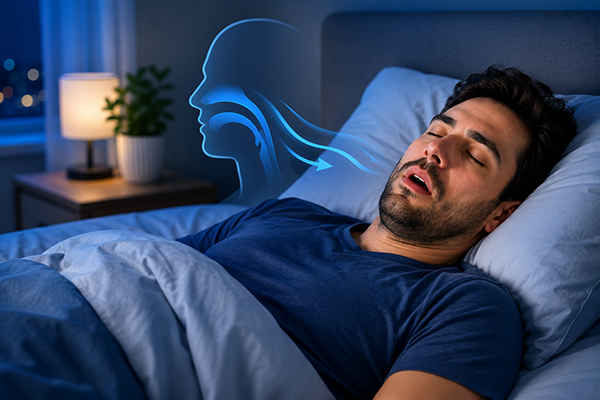
Millions of people struggle with poor sleep, loud snoring, and constant daytime fatigue without realizing that sleep apnea may be the underlying cause. Because its symptoms often develop gradually, many people remain undiagnosed for years.
The good news is that diagnosing sleep apnea has become easier and more accurate than ever. Whether your doctor recommends a home sleep test or an overnight sleep study, understanding the process can reduce anxiety and help you take the first step toward better sleep and improved health.
This guide explains exactly how sleep apnea is diagnosed, what tests are involved, and what happens after your diagnosis.
What Is Sleep Apnea?
Sleep apnea is a sleep disorder in which breathing repeatedly stops and starts during sleep. These breathing interruptions may last from a few seconds to over a minute and can happen dozens or even hundreds of times each night.
The three main types include:
- Obstructive Sleep Apnea (OSA)
- Central Sleep Apnea (CSA)
- Complex (Mixed) Sleep Apnea
Obstructive sleep apnea is by far the most common type.
Step 1: Recognizing the Symptoms
Diagnosis usually begins after someone notices symptoms or a family member observes unusual breathing during sleep.
Common symptoms include:
- Loud, chronic snoring
- Gasping or choking during sleep
- Pauses in breathing
- Morning headaches
- Dry mouth upon waking
- Daytime sleepiness
- Difficulty concentrating
- Poor memory
- Mood changes
- High blood pressure
- Waking frequently throughout the night
Many people do not realize they stop breathing while sleeping until their partner tells them.
Step 2: Visiting Your Healthcare Provider
If you experience these symptoms, your healthcare provider will ask detailed questions about your sleep habits.
You may be asked:
- How many hours do you sleep?
- Do you wake feeling refreshed?
- Do you snore loudly?
- Has anyone noticed breathing pauses?
- Do you feel sleepy during the day?
- Do you fall asleep while driving or watching TV?
- Do you have heart disease or high blood pressure?
This discussion helps determine whether further testing is necessary.
Step 3: Reviewing Your Medical History
Your doctor will review factors that increase the risk of sleep apnea.
These include:
- Obesity
- Family history
- Neck circumference
- Smoking
- Alcohol use
- Nasal congestion
- Diabetes
- High blood pressure
- Heart disease
- Previous stroke
Understanding your health history helps identify the most likely type of sleep apnea.
Step 4: Physical Examination
A physical examination looks for conditions that may block your airway.
Your healthcare provider may examine:
- Nose
- Mouth
- Throat
- Tongue
- Tonsils
- Jaw structure
- Neck size
Extra tissue around the neck or enlarged tonsils can narrow the airway and increase the likelihood of obstructive sleep apnea.
Step 5: Sleep Questionnaires
Many clinics use screening tools before ordering sleep tests.
Popular questionnaires include:
Epworth Sleepiness Scale (ESS)
Measures how likely you are to fall asleep during daily activities.
STOP-Bang Questionnaire
Evaluates risk based on:
- Snoring
- Tiredness
- Observed apnea
- Blood pressure
- BMI
- Age
- Neck circumference
- Gender
These questionnaires help estimate your likelihood of having sleep apnea.
Step 6: Home Sleep Apnea Test (HSAT)
For many adults suspected of having moderate or severe obstructive sleep apnea, a home sleep apnea test is often the first diagnostic option.
During the test, you wear a portable monitoring device while sleeping in your own bed.
The device typically measures:
- Breathing patterns
- Blood oxygen levels
- Heart rate
- Airflow
- Chest movement
Advantages
- Comfortable
- Convenient
- Lower cost
- Sleep in your own home
Limitations
A home sleep test cannot detect every sleep disorder and may not be suitable if you have certain medical conditions, central sleep apnea, or complex sleep issues.
Step 7: Overnight Sleep Study (Polysomnography)
If more detailed information is needed, your doctor may recommend an overnight sleep study at a sleep center.
Polysomnography is considered the gold standard for diagnosing sleep apnea.
During the study, sensors monitor:
- Brain activity (EEG)
- Eye movements
- Muscle activity
- Heart rhythm (ECG)
- Breathing effort
- Airflow
- Oxygen levels
- Leg movements
- Sleeping position
A sleep technologist monitors the data throughout the night.
Although the equipment may seem intimidating, the test is painless.
Step 8: Understanding the Apnea-Hypopnea Index (AHI)
After the sleep study, specialists calculate your Apnea-Hypopnea Index (AHI).
AHI measures how many breathing interruptions occur each hour.
Normal
Less than 5 events per hour
Mild Sleep Apnea
5–14 events per hour
Moderate Sleep Apnea
15–29 events per hour
Severe Sleep Apnea
30 or more events per hour
Your AHI score helps determine the severity of your condition and guides treatment recommendations.
Step 9: Additional Testing (If Needed)
Some people require further evaluation.
Additional tests may include:
- Blood oxygen monitoring
- Cardiac evaluation
- Pulmonary function tests
- Imaging studies
- Neurological assessment
These tests help identify underlying conditions contributing to sleep-disordered breathing.
Step 10: Receiving Your Diagnosis
Once the results are analyzed, your doctor explains:
- Whether you have sleep apnea
- Which type you have
- How severe it is
- Possible health risks
- Recommended treatment options
Every diagnosis is individualized based on symptoms, sleep study findings, and overall health.
What Happens After Diagnosis?
Treatment depends on the severity of your sleep apnea.
Common options include:
CPAP Therapy
Continuous Positive Airway Pressure (CPAP) delivers steady airflow to keep the airway open during sleep.
Lifestyle Changes
Many people benefit from:
- Weight loss
- Regular exercise
- Avoiding alcohol before bedtime
- Quitting smoking
- Sleeping on the side
- Maintaining consistent sleep schedules
Oral Appliances
Custom-made dental devices reposition the jaw to keep the airway open.
Surgery
In selected cases, surgery may be recommended to remove airway obstruction or correct structural problems.
Can You Diagnose Sleep Apnea Yourself?
No.
Although online quizzes and symptom checkers can estimate your risk, only a qualified healthcare professional can diagnose sleep apnea using appropriate testing.
Self-diagnosis may delay effective treatment and increase the risk of serious complications.
Why Early Diagnosis Matters
Untreated sleep apnea has been linked to several long-term health problems, including:
- High blood pressure
- Heart disease
- Stroke
- Type 2 diabetes
- Depression
- Poor concentration
- Memory problems
- Increased risk of traffic and workplace accidents
Early diagnosis allows treatment to begin before complications develop.
Tips Before Your Sleep Study
To improve test accuracy:
- Avoid alcohol on the day of the study.
- Limit caffeine in the afternoon and evening.
- Follow your usual sleep routine.
- Bring comfortable sleepwear if staying overnight.
- Inform the sleep clinic about any medications you take.
Frequently Asked Questions
Is a home sleep test as accurate as a sleep lab?
Home sleep tests are effective for many adults with suspected obstructive sleep apnea, but an overnight sleep study provides more detailed information and can diagnose a wider range of sleep disorders.
How long does a sleep study take?
Most overnight sleep studies monitor your sleep for about 6 to 8 hours.
Is the sleep study painful?
No. The sensors are attached to your body using adhesive pads or belts and do not cause pain.
Can children be tested for sleep apnea?
Yes. Children can undergo specialized sleep studies if sleep apnea is suspected.
How long does it take to get results?
Results are often available within a few days to two weeks, depending on the sleep center.
Can thin people develop sleep apnea?
Yes. Although excess weight is a major risk factor, sleep apnea can affect people of any body size.
Final Thoughts
Diagnosing sleep apnea is a straightforward process that begins with recognizing symptoms and consulting a healthcare provider. Through a detailed medical history, physical examination, sleep questionnaires, and specialized testing such as a home sleep apnea test or overnight polysomnography, doctors can accurately identify the condition and determine its severity.